
TRAVEL · NOVEMBER 2025
A Slow Guide to Pererenan and Padonan
Two neighbourhoods on Canggu's quiet edge — rice fields, good food, and the version of Bali people hope for.
By The Nusa Editors
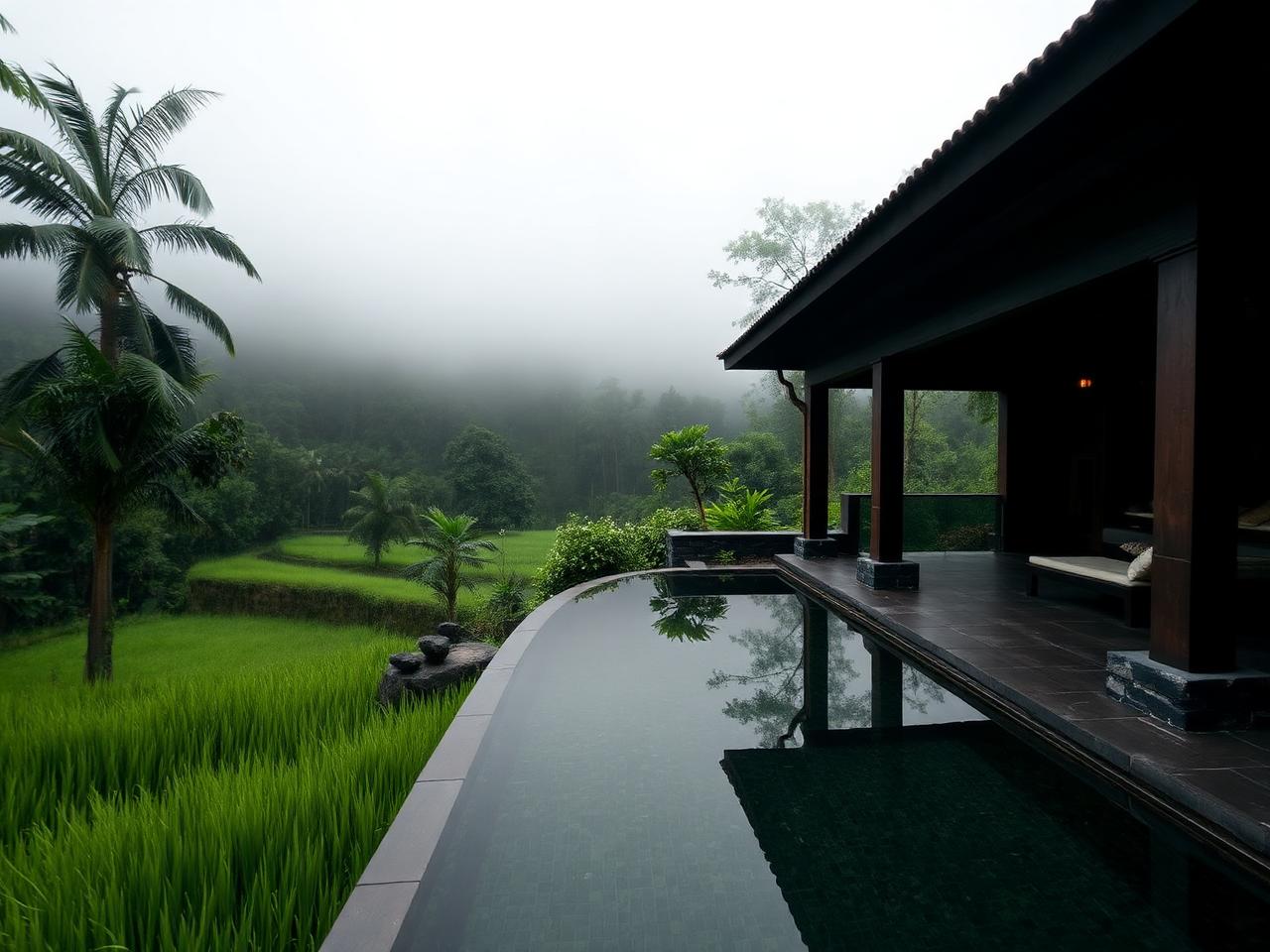
Ask most visitors where they stayed in Bali and they will say Canggu. Ask them which part and the answer is usually vaguer, because the map has never quite settled.
Canggu is a collection of villages that grew towards one another. Two of them — Pererenan and Padonan — sit on the western and northern edges, and both are what people mean when they say they wanted the quiet version.
Pererenan
Pererenan is where Canggu runs out. Cross the river west of the shortcut and the road narrows, the buildings thin, and the rice fields open on both sides.
It has become known in the last few years, and it has held up surprisingly well. There is genuinely good food — the standard here is high and the queues are shorter — and a beach that stays wide, grey-sanded and largely uncrowded on a weekday morning. The surf is for surfers; the walking is for everyone.
What to do slowly. Walk the rice-field path at the end of the afternoon, when the light goes amber and the ducks are being moved. Eat breakfast late. Find the beach at seven, before anyone.
Who it suits. Guests who want to walk somewhere in the evening but not hear it from bed.
Padonan
Padonan is north and inland, and almost nobody writes about it. It is farmland with villas set into it — long lanes, banana groves, a temple, and warungs that have never seen a tourist and are not adjusting for one.
The sunsets here happen over open fields rather than over other people's roofs. The birds start at five. It is fifteen minutes to everything and feels like an hour from all of it.
What to do slowly. Very little, which is the point. Walk the lanes in the early evening. Ride ten minutes north and the fields open out entirely. Buy fruit from the stall rather than the supermarket.
Who it suits. Guests staying a week or more, families, and anyone who has done busy Canggu once and would not do it again.
Eating well in both
The good news about this side of Canggu is that the food is no longer a compromise. There is proper coffee, there are good bakeries, and there are warungs doing the same nasi campur they have done for twenty years, which remains the best value meal in Bali.
Three reliable principles. The best warungs have nowhere to park. Anywhere with a queue at eight is empty at six. Ask the person who lives here — your Villa Hostess eats in this neighbourhood, and her recommendation will be better than a list.
A private chef in the villa is also worth considering for one evening of a longer stay, particularly with a group. Ingredients bought that morning, dinner on the terrace, nobody driving anywhere afterwards.
Getting around
Both neighbourhoods are best navigated by scooter, and both are close enough to Canggu proper that a car is rarely necessary. The traffic on the shortcut is genuinely slow between four and seven; plan around it or simply stay in.
If you would rather not ride a scooter, licence-free electric vehicles and a private driver can both be arranged. There is no rule that says you must brave the traffic to enjoy Bali.
Why we build here
Most of our villas sit in these two neighbourhoods, and in the lanes of Tumbuk Bayuh just beyond them. It is a deliberate choice.
The argument for the quiet edge is not that Canggu should be avoided — the food, the surf and the company are all reasons to come. It is that where you sleep should be still. Fifteen minutes is a short ride out and a very long way from the noise. For the wider picture, read A Quieter Side of Canggu and Where Canggu actually eats; for the same instinct in the hills, continue with Ubud, the quiet way.
Our villas sit across Pererenan, Padonan, Tumbuk Bayuh, Berawa and Babakan.
Continue reading
Destination · October 2026
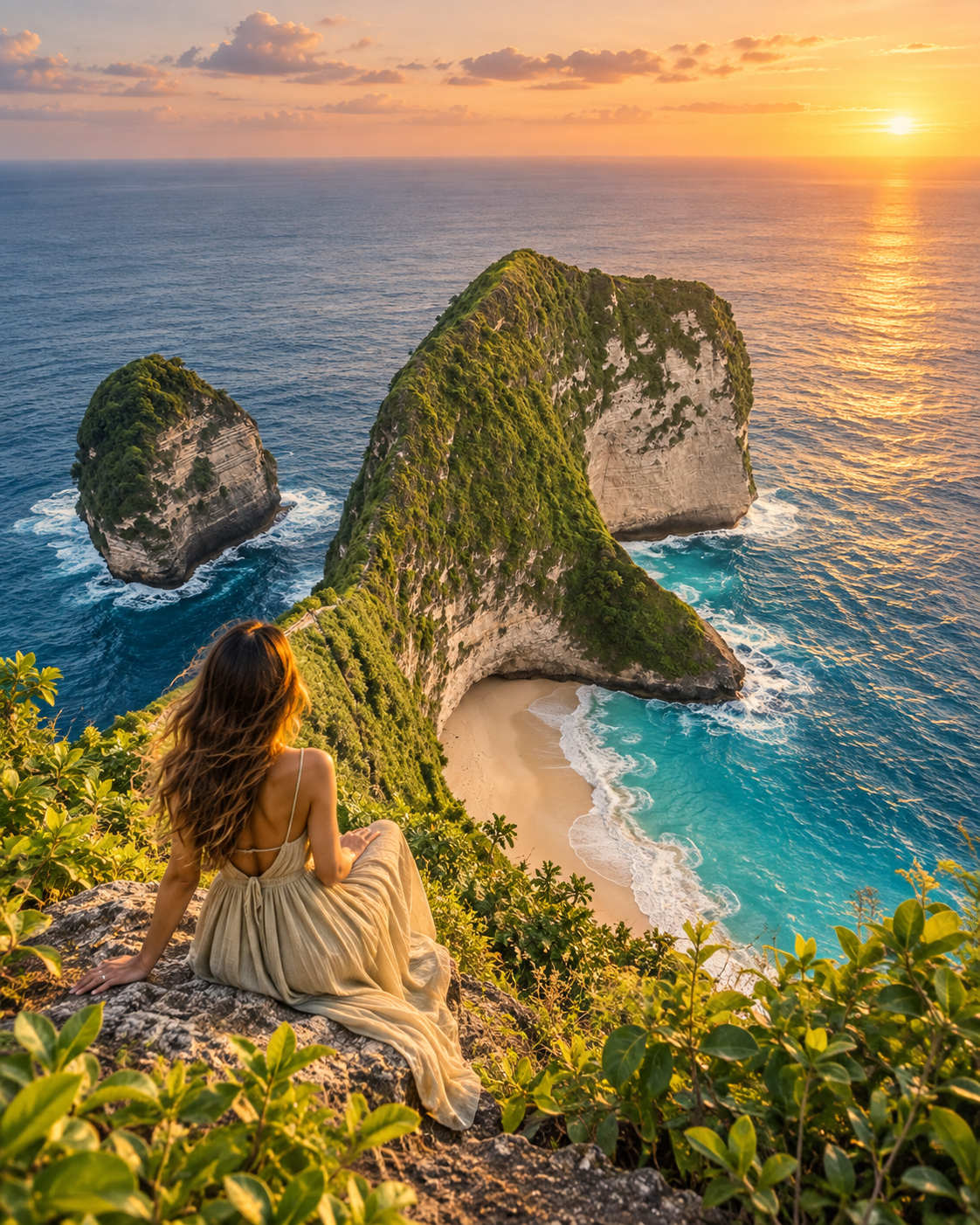
Nusa Penida, honestly: the most beautiful day trip in Bali, and how not to ruin it
The cliffs are real. So are the crowds, the currents and the roads. Here's how to see the best of it — and why a night might beat a day.

Itinerary · September 2026
Two bases, one island: Canggu, Ubud, and a waterfall that asks something of you
How to see the two Balis in one trip — the beach and the buzz, then the jungle and the quiet — with a sacred cleansing ritual somewhere in the middle.
Island Living · August 2026
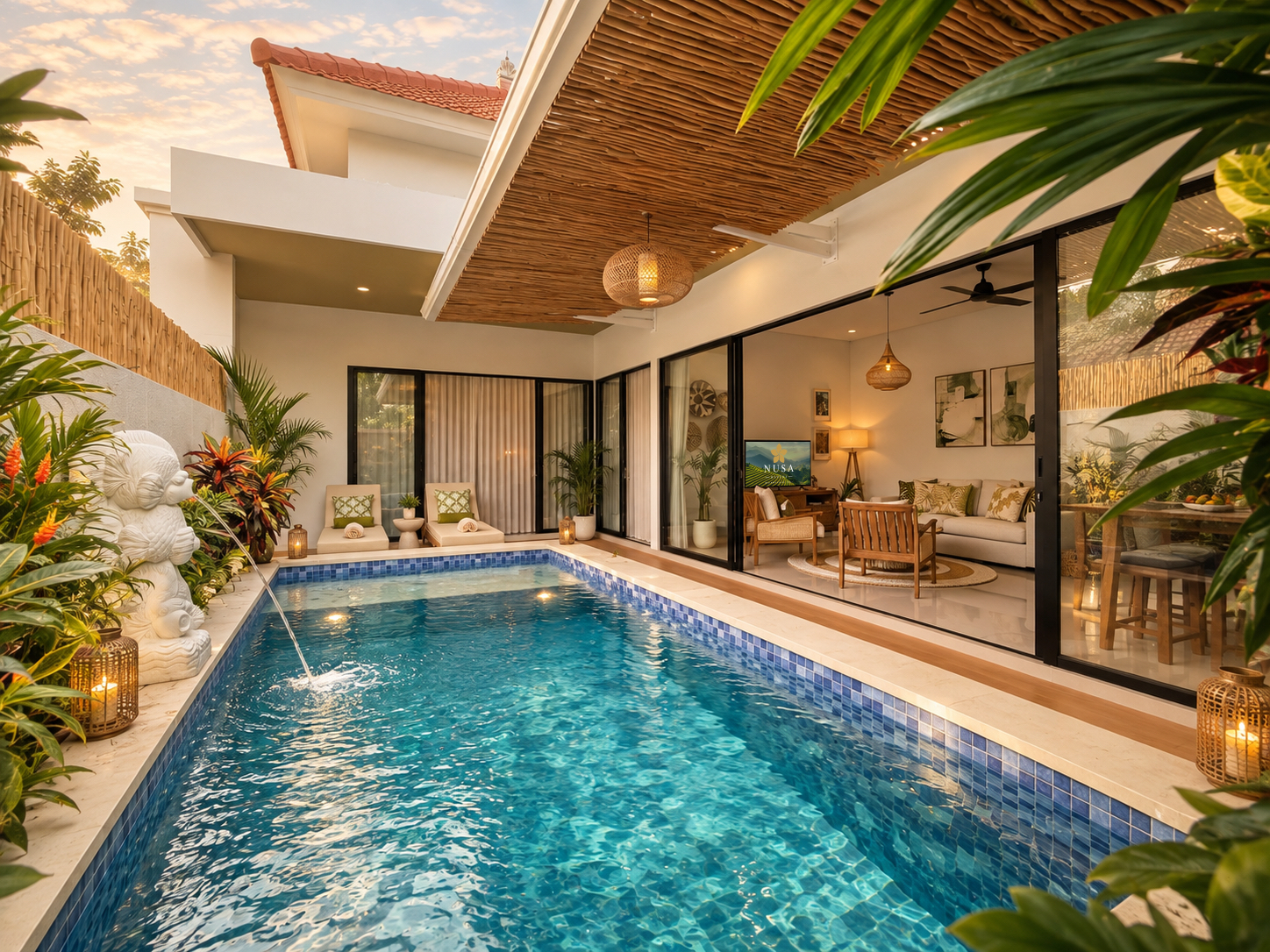
Sun, shade, and the art of staying cool in Bali
Why the smartest thing in a tropical villa is sometimes the roof over the terrace.